Why does private RAG need its own access controls?
Retrieval-augmented generation (RAG) splits your documents into passages and indexes them, so the model can answer from your own content. For example, an HR assistant could answer “How much parental leave do we offer?” from your current policy, with a link to the clause, while declining to use documents the person asking isn’t allowed to open.
That raises the main security question for any RAG system: who can see what. A RAG system that ignores document permissions can hand a junior staff member a summary of a board paper. The OWASP Top 10 for LLM Applications lists vector and embedding weaknesses as a distinct risk for exactly this reason, so we build retrieval to respect the same access rules as the original documents.
How do we check the model itself is safe to run?
Open-weight models are downloaded files, so they carry supply chain risk (LLM03 in the OWASP Top 10 for LLM Applications). We take model files only from their official source, check them against published checksums and use safe formats such as safetensors. The rest of the hardening treats the model host like any other sensitive server.
The framework mapping below shows how these controls line up with ISO/IEC 27001 and ISO/IEC 42001, which matters if you report to a board or a government buyer. Our AI security and governance service explains those standards and can add the policy and risk register around the deployment.
Should you buy hardware or use private cloud?
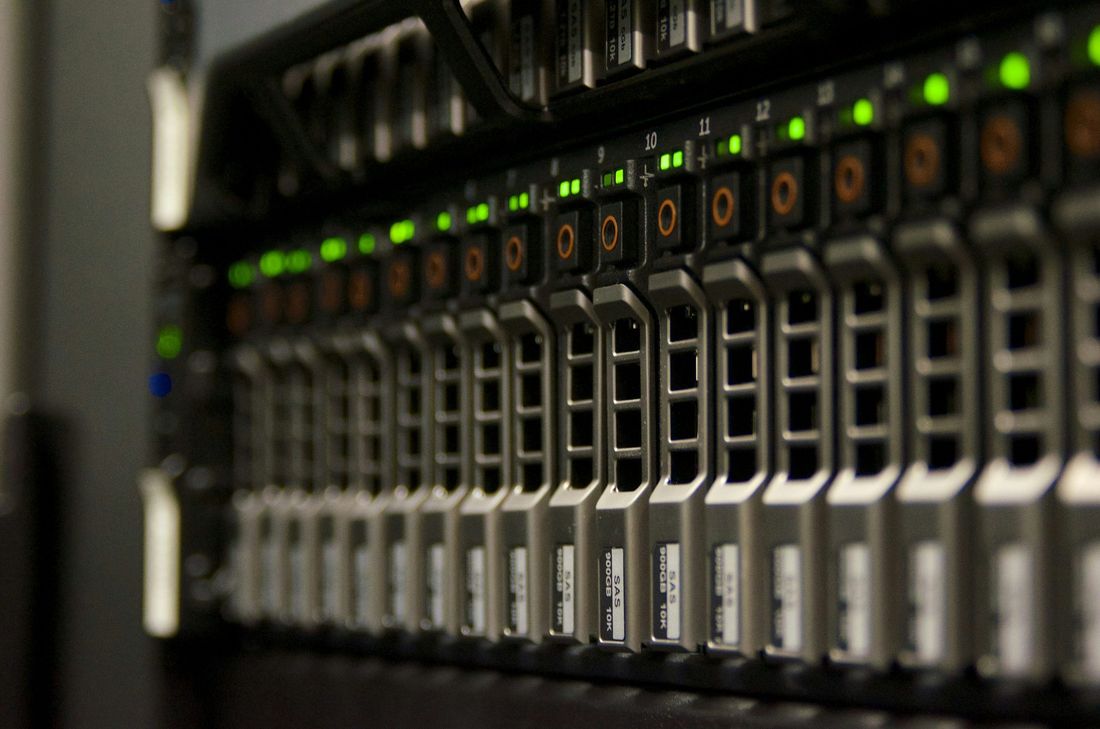
If buying hardware suits you, our IT hardware procurement service sources the workstation or server, configures it securely before delivery and installs it. If you would rather not buy hardware, a dedicated environment in an Australian private cloud is the alternative. We recommend the provider and region after discussing your needs.
If you are still deciding whether local AI is the right path at all, our AI consulting service compares it with cloud options for your use case.